
![]() | ![]() |
|
|
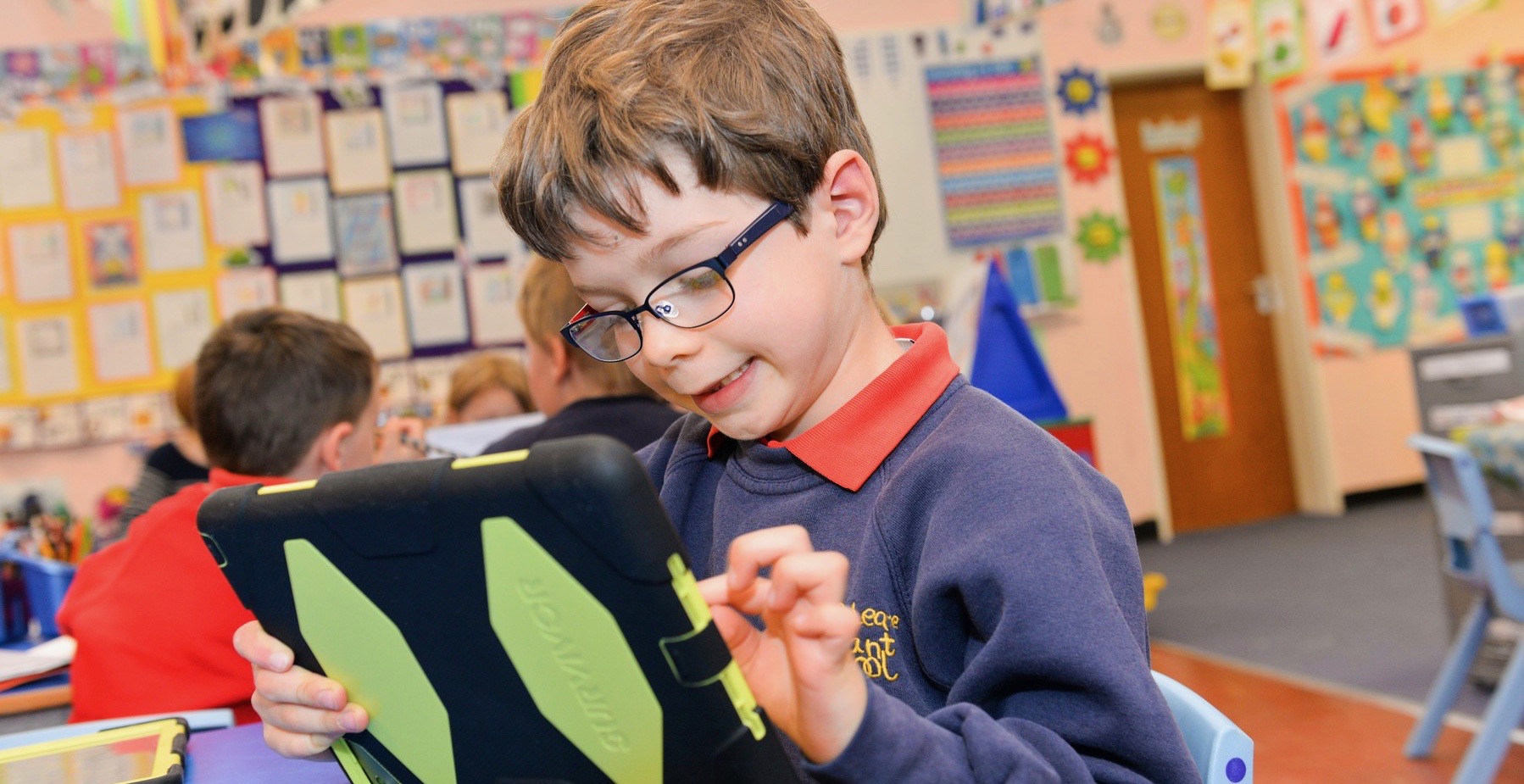
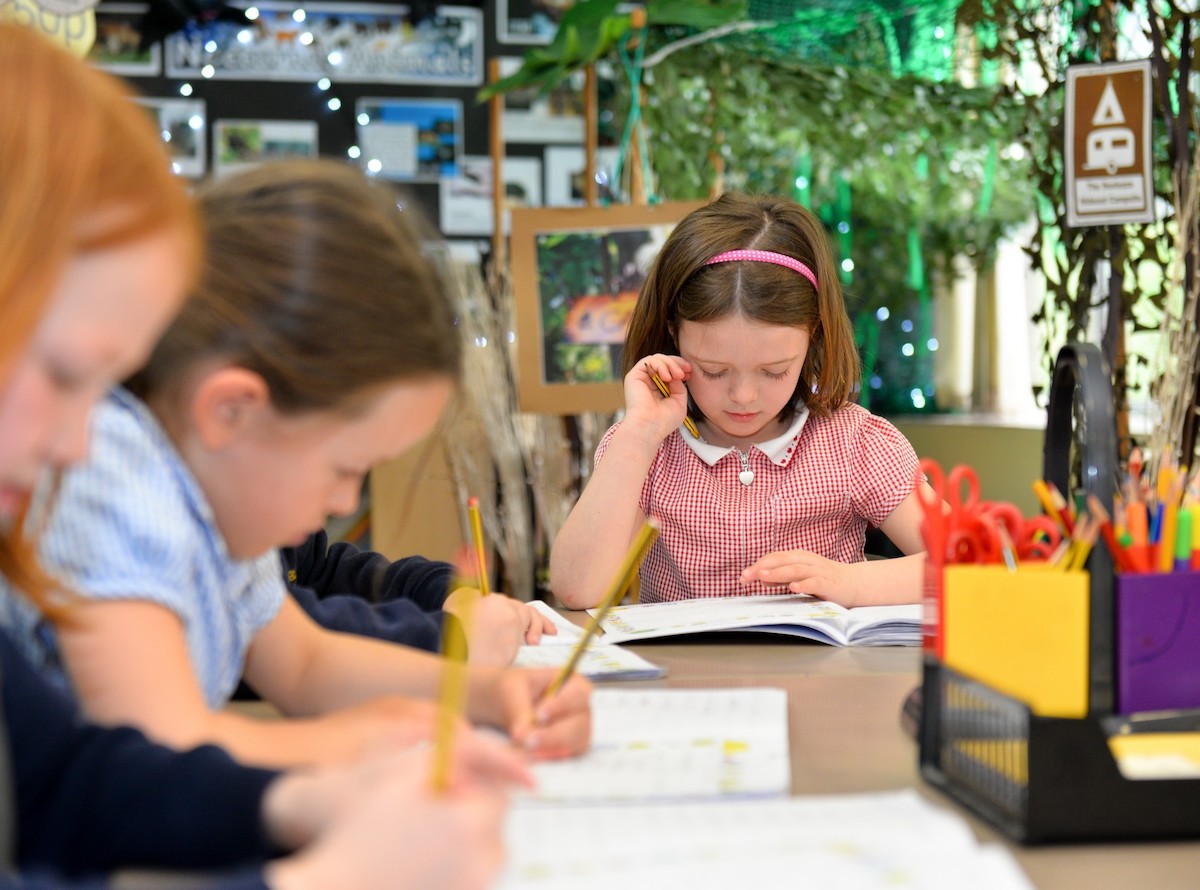
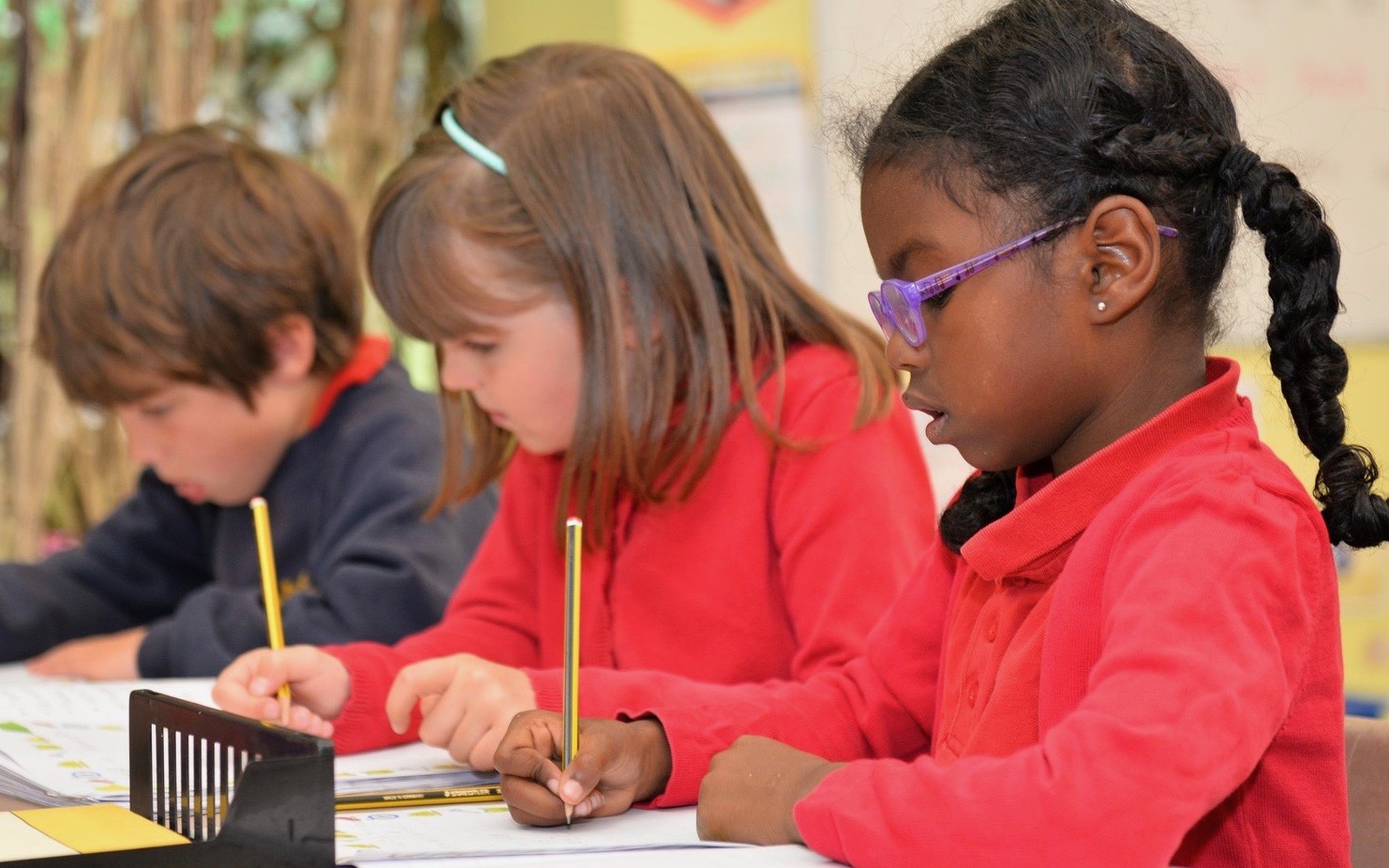
You are here: Home > Curriculum > Subjects SubjectsMaths Science Religious Education Information Communication Technology If you would like to find out more about the way we teach children to improve their learning, through animal characters.Click on About us /Downloadable documents / miscellaneous / Learning Journey( which is a powerpoint presentation) MATHSReceptionChildren enter school with a variety of mathematical experiences. During the first few weeks we find out what they already know and understand so that we can build on this. Activities of number, measures, space and shape take place in practical situations with emphasis placed on prediction, estimation and discussion of results rather than recording at this early stage. The teachers record each child\'s progress and keep evidence from their work. Children also experience a short daily mental maths session. Year 1During this year the children develop the ability to use and apply mathematics in a variety of real-life situations, whilst at the same time tackling more difficult mathematical activities. Year 2By the end of their infant education we aim that all children should be mathematically confident and that they should be able to use and apply mathematics competently. They should be able to discuss investigative activities using the correct mathematical language and have developed the skill of checking answers mentally for accuracy and reasonableness. Work will be recorded by the children themselves using the correct symbols and notation. SCIENCEReceptionChildren are encouraged to explore early scientific concepts through practical situations related to their interests. Observation skills, using all the senses, are developed and children start to make simple recordings of their findings. Year 1Children make more detailed observations, begin to test their ideas and become more independent in their explanation of science. Recording is more detailed and children begin to draw simple conclusions about their findings. Year 2Concepts are further consolidated and developed according to individual need. Children are encouraged to plan their own tests, to answer questions arising from their investigations, to record their findings in a systematic and appropriate way, and to interpret them. Children are expected to work both individually and in co-operation with others. ENGLISHSpeaking and ListeningChildren are encouraged to express themselves clearly and audibly in a variety of situations. All children take part in role-play, puppetry, drama, discussion and conversations, so that they practice the art of speaking confidently, whilst having the sensitivity and good manners to listen to others. ReadingWe regard the ability to read, understand and respond to all types of writing as being of prime importance. We aim to foster a love of books. In addition to story books, we use selected books from all the recommended Reading Schemes and introduce the children to information retrieval strategies to encourage active independent learning. We welcome home support and involve parents in shared reading activities. We teach phonic skills and the acquisition of a sight vocabulary that the children can put into practice when reading at home with parents. There is a well-stocked non-fiction library where children learn basic library skills. WritingChildren are encouraged to write independently for different purposes. Each stage is valued as an essential part of writing development. SpellingChildren are taught a progression of high frequency words using the "Look, Cover, Look Again, Write" check method. We teach phonics, letter strings, word families and spelling patterns to encourage and develop each child\'s ability to attempt the spelling of a wider range of words. HandwritingChildren are taught how to hold a pencil correctly, how to move across a page from left to right and given lots of opportunities to practise writing patterns whilst being taught correct letter formation. We practise handwriting regularly and encourage a fluent, neat style of print that is easily converted to "joined up" handwriting when the child is ready. Please refer to enclosed handwriting sheet. DramaChildren experience a variety of topic based, dramatic situations to develop their language and social skills. All children have access to home corners, puppets and construction toys. All children take part in structured drama sessions during which the teacher structures the objectives to allow them to explore their feelings and attitudes through a specific context. RELIGIOUS EDUCATIONWe include Religious Education as part of our planned topic for the term. We start from the children\'s own experiences, broadening and enhancing their knowledge and understanding as they grow older. Children learn about the festivals and religions of other countries. Collective WorshipSchool Assemblies are held daily and are mainly of a broadly Christian character. In addition we share the experiences of children from other faith communities. Parents may ask for their children to be withdrawn from Collective Worship under the terms of the 1988 Education Act. INFORMATION COMMUNICATION TECHNOLOGYChildren are made aware of Information Technology in their environment and will have opportunities to use computer-based equipment to enrich their learning. Each classroom is equipped with at least one computer. We have a fully equipped computer room where children will have whole class computer lessons in order to develop IT skills progressively. The staff also use the computer room to update IT skills. All classes have digital projectors and teaching often uses an ICT illustration from software or the internet. In addition, we are beginning to teach children to learn to use a laptop to enable a better ratio of computers to children. When they come into Reception, children are given opportunities to gain familiarity with computers and self-programmable toys. Progressing through the school they will gain skills in using computers to store, organise and find information and word processing. They will also use computers for control and problem solving. The wide range of software available in school provides support across the curriculum. DESIGN & TECHNOLOGYThe children are taught the skills necessary to construct models out of a wide variety of materials such as clay, wood, fabric, etc. and evaluate the success of their design. As they grow older their constructional/ observational skills are developed and artefacts are produced using a variety of materials suitable for the purpose. The children continue to consider the local environment and imaginary contexts in which to use opportunities for design and technology. Children are encouraged to plan designs and evaluate end products. HISTORY & GEOGRAPHYWe start from the children=s own experiences and begin to teach them the skills necessary to think historically and geographically, and to develop their knowledge, skills and concepts throughout their infant years. We aim to give children an understanding of their place in society, to develop their knowledge of people, past and present and places near and far. ART & DESIGNChildren experience a variety of creative media and learn to use these as a means of expression and communication. We encourage them to appreciate the work of others and evaluate their own work. Our aim is that all children will explore the art concepts of line, form, texture, colour, shape and tone in free play activities and that they will be taught the necessary skills to develop these concepts through more structured experiences. MUSICAll children have opportunities to listen to, respond to and compose a wide variety of music. There are many singing times when we enjoy a large and varied repertoire of songs as a school, in classes or small groups. We have a range of percussion instruments to give children the chance to play quality instruments. We aim to give all children an enjoyment of music and confidence in composing and performing as they develop sensitivity and critical appreciation. PHYSICAL EDUCATIONAll children have the opportunity to participate in gymnastics, dance and games skills. We aim to develop physical competence and an artistic and aesthetic understanding within and through movement. We hope that all children will experience a sense of satisfaction and achievement thus establishing self-confidence and valuing the benefits of participation in physical activity while at school and throughout life. Children change for PE into shorts and T-shirts. Parents are asked to provide named PE kit in a bag, which is left on the pegs at school. It is returned at the end of each term for washing. Long hair needs to be tied back. Indoor activities are carried out in bare feet but suitable footwear (daps or trainers) should be provided for outdoor activities, mainly in the summer term |
|||||||||
|
Background Information Copyright © 2004 Henleaze Infants School |
||||||||||